
The secret spirits brands are missing: Brand Ambassadors are Salespeople
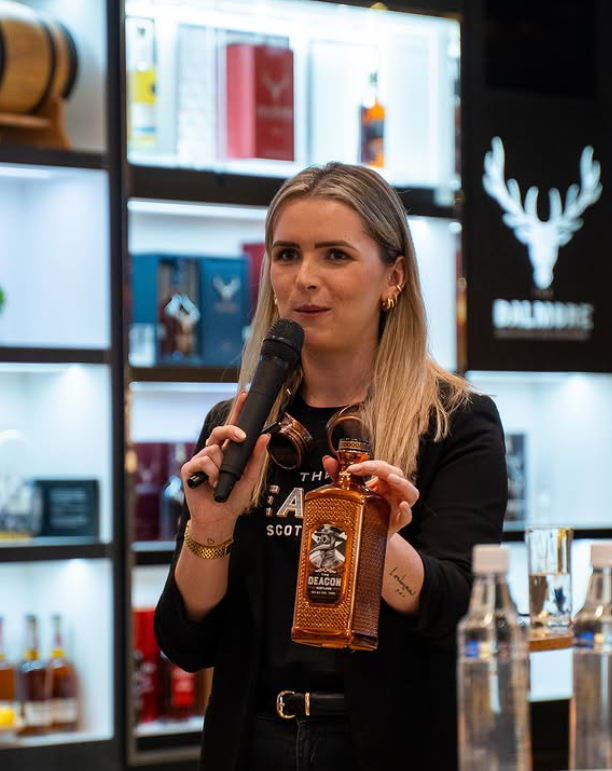
A few years ago, my job was straightforward: raise a glass, say “cheers,” and speak about the craftsmanship and heritage behind the brand. My calendar was full of polished, high-energy events—many of which I didn’t fully understand the purpose of—but I knew why I was there: to make sure people were drinking the whisky. If I walked into a bar, introduced myself as the ambassador, took a couple of shots with the bartender, and sparked some lively conversation, I considered the night a success.
These days, the conversations look very different. When I visit a bar now, I’m talking about backbar space, margins, and the business case for adding our brand. Instead of trainings, tastings, and clinking glasses, my KPIs revolve around sales numbers, distribution points, and accounts visited. I’m no longer hopping between extravagant dinners or media events; most of my time is spent buried in Excel sheets rather than perfecting beautifully designed PowerPoints.
People often treat these two roles as complete opposites—and most spirits companies draw that line clearly too. But the truth is more connected than it seems: Salespeople and Brand Ambassadors are really just two sides of the same coin.

The Transition
Fresh out of university, I couldn’t believe it. Five years of intense studying, countless all-nighters in the library, and riding out a global pandemic with hiring freezes had finally led to what every graduate dreams of — the “dream job.” I stepped into what would become the adventure of a lifetime and a defining turning point for me: travelling the world, talking about Scotland, and drinking whisky. People joked that my job was basically drinking and partying and, although I knew Brand Ambassador work demanded far more skill than simply functioning through a hangover, I didn’t mind playing along with the illusion.
The truth is, ambassador work is tough. It demands a skill that, honestly, many people in other functions simply don’t have: people skills. Ambassadors need to communicate with everyone — consumers, bartenders, bar owners, media, PR teams, agencies, VIP clients, and high-status individuals. It’s rare to find someone in a company who can comfortably engage all these groups and adjust their tone for each of them. I learned this quickly, jumping from a media preview at 5pm to a bar visit at 9pm, shifting my style between the two. Brand promotion is never a one-style-fits-all job; bartenders care about how versatile a spirit is in cocktails, while media want global positioning, awards, and credibility.
Closely tied to that is confidence in presentation and public speaking — another invaluable skill for BAs. Plenty of people can talk in front of a crowd, but not many can do it with real conviction. From intimate whisky dinners with six guests to livestreaming a ten-minute product education to 40,000 people on e-commerce, my confidence skyrocketed. Forget marketing analytics, competitor reviews, or social media strategies — the most valuable skill I gained as a BA was public speaking. When your goal is to convince people to believe in a brand, confidence does a lot of the heavy lifting.
Then I moved into sales. The pressure of being centre-stage — the host, the energy, the “life of the party” — shifted into a different kind of pressure. Now it was about watching numbers rise or fall, closing deals, ensuring ROI on sponsorships, and keeping accounts satisfied. And the core skills I’ve developed here? Building relationships and maintaining long-term partnerships by adding value and showing up. Confident persuasion around listings, pricing, and menu placements. Resilience after rejection. Brand building and ensuring on-trade visibility and compliance.
Sounds familiar, right?
Even though the KPIs changed, what I fundamentally do every day hasn’t: selling the brand.

The Misunderstanding
This is where the misunderstanding really lies.
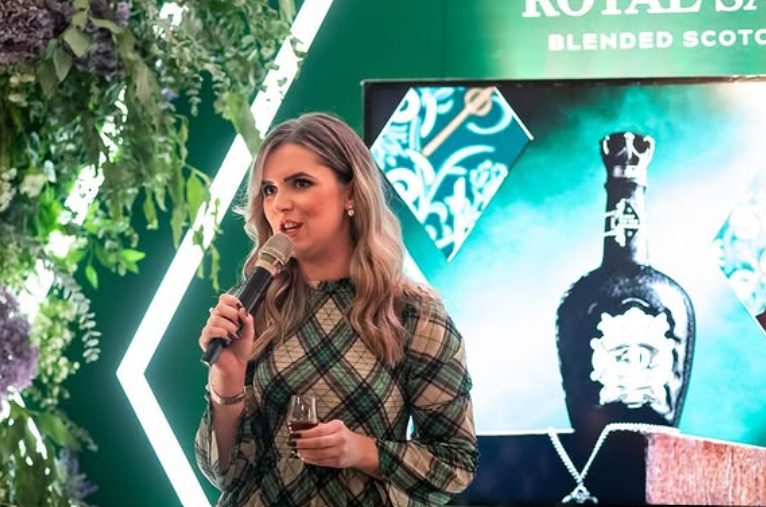
When I look back, every moment I stepped out of the office to speak about the brand—whether it was a product launch, a consumer masterclass, or a simple tasting with a bartender—I was already selling. I wasn’t the one following up on purchase orders, but the end goal was the same: influence, convince, and build desire. Now, when I walk into a bar to sell in a product, I’m still relying on the same knowledge I once used in masterclass decks—only now it’s to replace competitors on cocktail menus.
And yet, in many corporates, there are sales teams who underestimate what ambassadors do. Some see themselves purely as “salespeople” and don’t advocate for the brand at all—they can barely recite a few tasting notes or USPs. On the other side, many ambassadors (and the companies that shape their roles) restrict themselves entirely to marketing. “Not my job” becomes the default response when it comes to account visits, menu discussions, or talking margins.
I’ve watched ambassadors (myself included) pour their entire energy into beautifully designed bartender training decks that never translated into sales. I’ve also watched salespeople land contracts that don’t renew because they never built any true brand love. And when those two worlds fail to connect? You end up with ambassadors who can’t drive ROI and salespeople who can’t sell authentically.
The Bridge
Instead, when you bridge these two mindsets together, that’s where real business results happen.
Ambassadors with a sales mindset can drive tangible ROI — a masterclass that not only educates consumers, but convinces them to purchase a bottle for their home bar. Ambassadors who can talk to bartenders about both cocktail versatility and margins are exactly what every brand needs: a hybrid hero, part storyteller, part strategist.
At the same time, salespeople who understand brand experience can sell far more authentically — drafting contracts based on how a brand can elevate the bar’s concept (and vice versa), rather than just to hit numbers. Craftsmanship and pricing go hand-in-hand, and only when a salesperson can articulate the full brand experience can they truly upsell.
The key is communication and empathy between the two teams. How do you create this? While I don’t believe the BA role should sit entirely under the sales department, there does need to be a hybrid position with both sales and marketing KPIs — a role that bridges the gap between emotion and execution.
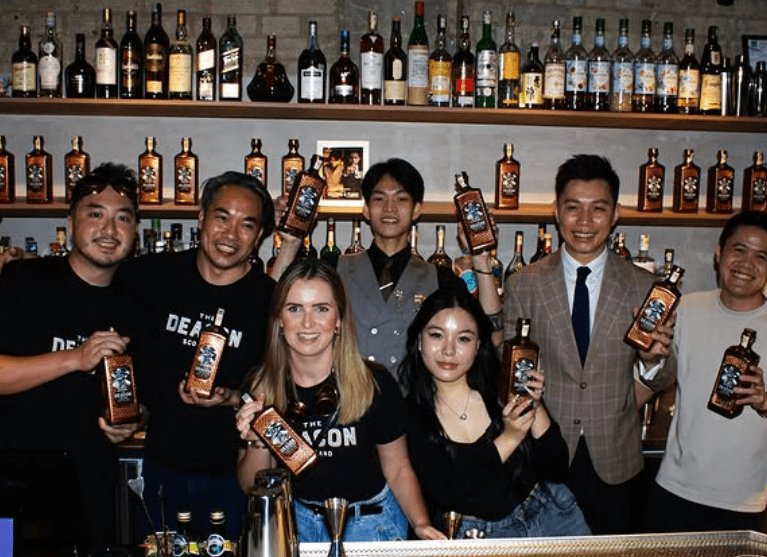
Having moved from a BA role into sales, I realised just how interconnected the two worlds really are. The skillset I built through advocacy work — social confidence, hosting and entertaining, understanding hospitality culture, emotional intelligence, networking, and simply being approachable and fun — became the exact foundation I needed to distribute three new brands in Malaysia. And in Malaysia especially, where relationships and personal connection sit at the heart of business, these skills are the ones that turn strategies into results.
Whether it’s staying back for a late-night drink with a bar owner, navigating the unspoken hierarchy in an F&B team, or showing genuine respect for different cultural backgrounds, people buy from people they trust. The very qualities that make a strong Brand Ambassador are the same qualities that make an exceptional salesperson. And, in this market, people sell — not brands — and people in F&B choose to partner with those they genuinely enjoy working with.

The Industry’s Undercover Superhero
In today’s climate—where health-conscious younger drinkers increasingly reach for low- or no-alcohol options, and older generations tighten their belts—or in a Malaysian market squeezed by rising excise duties and weaker consumer spending—it’s more important than ever for brands to be ultra-resourceful. With the government recently hiking alcohol excise duty by 10%, putting upward pressure on retail prices, the challenge is real.
That’s where the commercially minded Brand Ambassador comes in: the industry’s undercover superhero — building love, driving loyalty, and sealing deals in the same breath.
Whether you’re shaking cocktails or drafting contracts, the job stays the same: make people believe in what you’re pouring.
 The Pouring Point: Stories from Behind the Glass & Beyond
Leave a comment