Moving abroad – the four most important safety nets you don’t know you have
The illusion of security
For the first time in my life, I packed my two large suitcases without knowing if – or when – I’d ever return with them. My move to China previously was always a trip with an expiry date, a gap-year to keep me occupied.
But this time was different. From the only home I’d ever known — yet never quite felt settled in — I made the same familiar drive to the airport with a new weight in my chest. This one felt significant.
When I landed in Malaysia, I felt light. Carefree. Ready to give this opportunity everything I had, without worrying about what might happen on the other side. I had a job and office waiting for me the next day, a visa on arrival, a monthly salary still being paid, enough savings for an apartment deposit, and a home and family to return to if things didn’t work out.
On paper, it looked safe.
Yet moving abroad isn’t about what’s written down on paper. It wasn’t money, visas, employment, or even the thought of a life I could return to that carried me through my hardest moments. Three years on, I’ve realised that while those things often occupied my mind, the most important safety nets weren’t the ones I brought with me — they were the ones I built within me.

The real safety nets
Resilience
When you move abroad, resilience becomes your most valuable safety net. It’s not just about adapting to new surroundings – it’s about holding onto your sense of self when everything around you challenges it.
In my case, resilience was tested most in my office – superiors who made me feel like I wasn’t good enough, that I was too emotional, too different. What confused me most was the disconnect between how I was perceived and how I actually felt – I loved Malaysia. I didn’t experience culture shock; I had local friends, a life that felt deeply rooted here. Yet, at work, I was seen as someone who didn’t quite fit.
It took resilience to stay. To listen to feedback without letting it erode my confidence. To acknowledge cultural differences without letting them define my worth. Over time, I learned that resilience isn’t about hardening yourself – it’s about staying soft enough to learn, but strong enough to stand your ground. Despite external noise, I’m grateful that I stood on ground in this beautiful jungle I now call home.
That quiet strength is what allows you to build a home anywhere, even in places that sometimes make you question where you belong.
Adaptability
If resilience helps you stay rooted when life abroad feels uncertain, adaptability is what helps you thrive. The truth is, adapting doesn’t mean losing yourself, it means learning to move in step with a culture that works differently from what you’ve known.
At work, adaptability meant navigating a top-down structure where hierarchy carried weight and decisions flowed from the top. For someone naturally outspoken, learning to hold back was a challenge — a quiet reshaping of something deeply rooted in my personality. Then there was embracing the “Malaysia Boleh” spirit — that cheerful belief that everything will somehow come together, even at the very last minute. As a Scot, I can confirm: timeliness was not on my side in Malaysia.
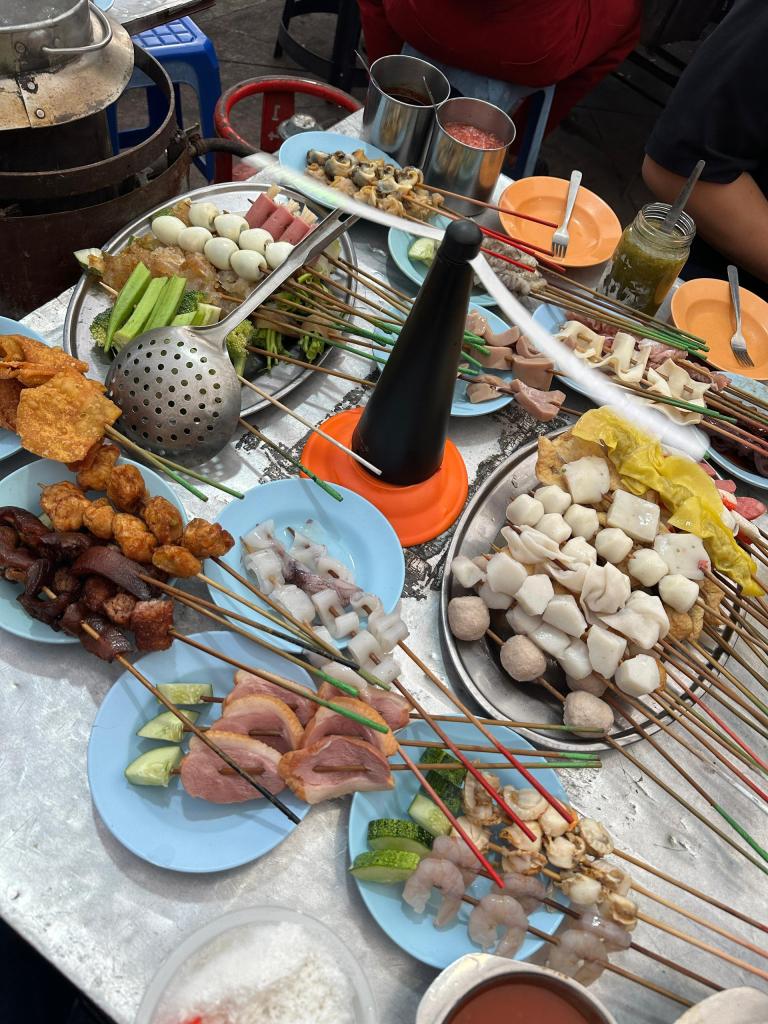
Outside of work, the same rhythm shaped everyday life. Turning up ten minutes early for lunch, only to wait an hour before anyone arrived. A slower, communal sense of time — worlds apart from the brisk, schedule-driven pace I was used to. But once I stopped trying to fit everything into the framework I knew, I began to see the beauty in it: life here flows best when you learn to let it, with patience, humour, and maybe a good book while you wait for friends.
Adaptability, anywhere in the world, is really about empathy — about learning to see through someone else’s lens instead of forcing your own. It’s a privilege to witness the quiet cogs turning behind a different culture, and to understand that the lessons worth learning don’t happen in a meeting room, but over conversations with locals, shared meals, and an open mind.

Self-awareness
Through the process of adapting, it’s easy to feel unmoored — caught between the person you were and the person you’re becoming. Making sense of that shift can feel disorienting, but realising who you are when you’re no longer defined by familiar surroundings is also one of the most rewarding parts of moving abroad.
At university and in my early career, I was surrounded by people who mirrored me — same humour, same pace, same late-night pub conversations over self-deprecating Scottish banter. I belonged effortlessly. In Malaysia, that sense of belonging slipped away. Making friends with locals has been deeply rewarding, yet there’s always a small, quiet part of me that stays tucked away — the part that wants to show itself but fears being misunderstood. At the same time, I’ve adapted so much to my surroundings that I no longer feel fully at home among other expats. I exist somewhere in between both worlds — in a constant, quiet state of not quite belonging anywhere.
But over time, I’ve learned that this feeling isn’t about being lost — it’s about uncovering who you are when you’re stripped of context. Moving abroad pulls away the external layers that once defined you and gives you the space to rebuild from the inside out. It’s not about losing yourself; it’s about unbecoming everything that isn’t truly you. Self-awareness, I’ve realised, is the quiet strength that carries you through the loneliest days — the understanding that fulfilment doesn’t come from belonging to a place or a group, but from belonging to yourself. It’s the inner spark you learn to trust when everything else feels unfamiliar.

Resourcefulness
Self-awareness isn’t a switch — it’s a process. Finding comfort in your current situation takes effort, especially when the usual systems that once supported you no longer fit. When the world around you doesn’t align with your old rhythm, you learn to create your own.
For me, resourcefulness has never been about material problem-solving; it’s about emotional independence. Building a support system abroad means looking in new places to meet different needs. My local friends ground me and make Malaysia feel like home, while celebrating St. Andrew’s Day or attending Scottish meet-ups reconnects me with where I come from. Over time, I’ve realised that not everyone can meet all your needs — and that’s okay.
Professionally, I’ve learned that Malaysia isn’t always the easiest place for a young foreigner to grow a corporate career. So I began to find fulfilment in other ways — by returning to the things that once made me feel most alive: writing, painting, creating. I stopped waiting for things to fall into place and started building the pieces myself.
Creativity replaces comfort when there’s no clear roadmap, and resourcefulness becomes your compass. It’s about finding home wherever you are, with whatever you have. There’s a quiet power in making things work with what’s in front of you — because that’s where true confidence is born.
Not handed, but woven
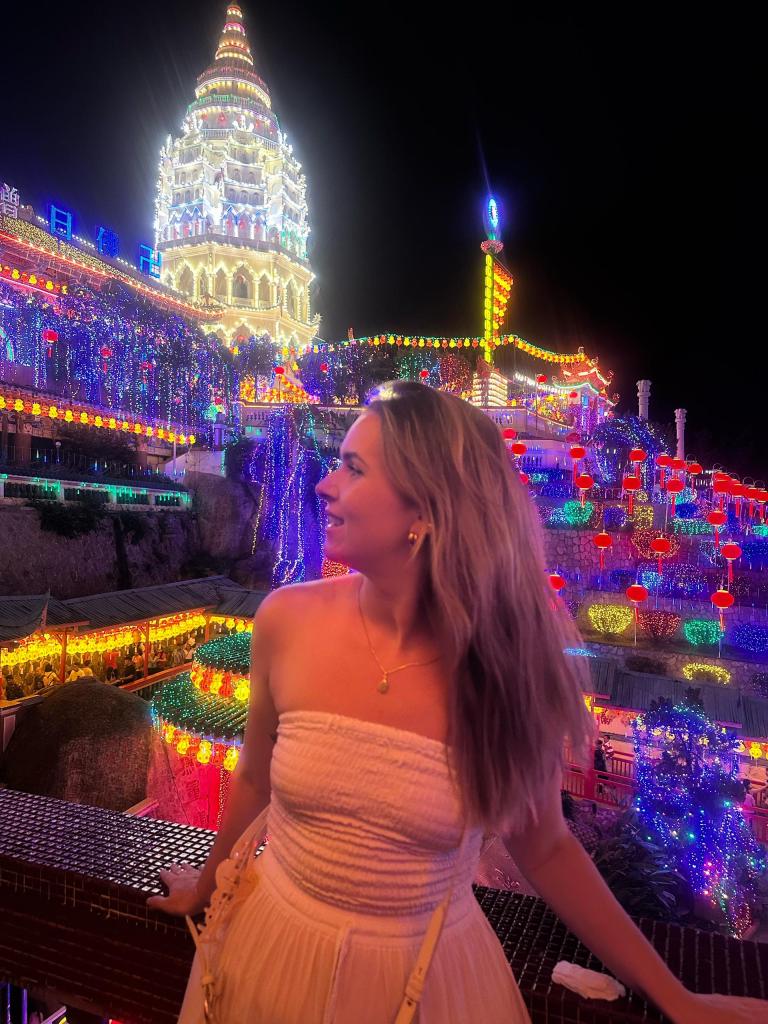
Looking back at the girl standing at the airport, I realise how lucky she was to have those things — a visa, a job, a bit of money, and a life to return to. They gave me the courage to leap, but they didn’t keep me from falling. What caught me were the lessons I learned along the way — the resilience, adaptability, self-awareness, and resourcefulness I built for myself.
Whether my path leads me back to Scotland, keeps me in Malaysia, or takes me somewhere entirely new, I know I’m stronger for it. Because whether you move across the world or just a few steps outside your comfort zone, one truth remains: the most important safety nets aren’t handed to you — you weave them yourself.
Nicole
 The Pouring Point: Stories from Behind the Glass & Beyond